

As the country celebrates Black History Month, Bladen County can claim a chunk of that history with Jones Lake State Park, the first state park developed for Black Americans.
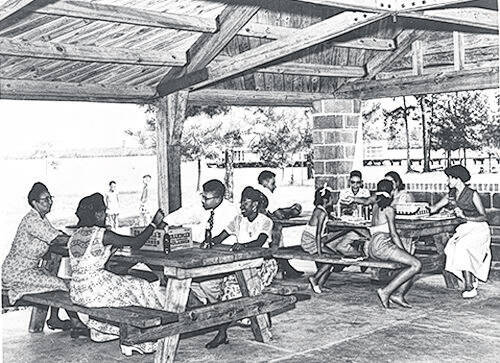
When the park at Jones Lake was created by the federal government in 1939, there were no state parks where blacks could gather; all other state parks were “whites only.”
Originally known as Woodward Lake (named after a local justice of the peace), it was renamed Jones Lake in honor of Isaac Jones, a local land owner who donated the land on which Elizabethtown was built.
Jones Lake became a popular attraction for African Americans, with many coming from all over the state to enjoy the natural setting of the park. Since most businesses and attractions were segregated in the South until the 1960s, Jones Lake State Park offered a place for family reunions, baptisms, picnics, swimming, fishing, and boating activities for the black community. During the first season Jones Lake State Park was opened, an estimated 22,000 visitors came to enjoy it.
In the early 1950s when Jones Lake transitioned from a recreational area to a state park, Dewitt Powell became the park’s first black superintendent, serving in that position for 31 years. The Powell family lived on the premises in a house tucked off the main track leading into the park. Powell was renowned for keeping the entire park in an exceptionally clean condition.
The “Negroes-only” sign was removed around 1966, following the Civil Rights Act of 1964, and Jones Lake became integrated.
Jones Lake was not finished with its contributions to history. During World War II, the area was used for Army training. The state park also received national attention in 1980 when astronomers gathered at the park to view a solar eclipse.
Many additions and improvements to Jones Lake State Park have happened over the years. Located just north of Elizabethtown on N.C. 242, Jones Lake offers year-round recreation, including fishing, swimming, boating, hiking, picnicking, and environmental and historical education programs. Nearly all elementary students in Bladen County can recall visiting Jones Lake on a school field trip.
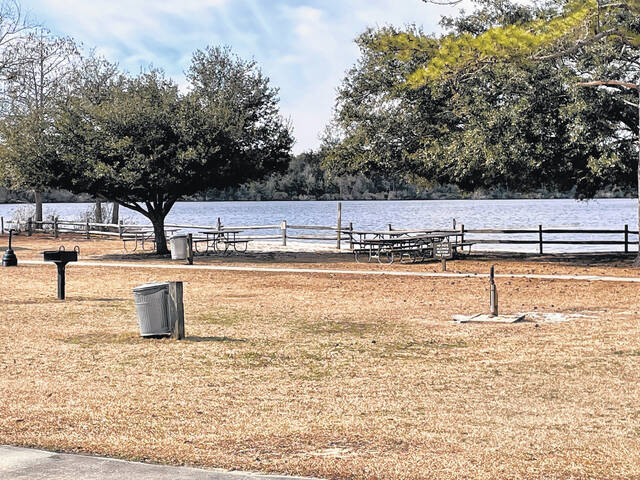
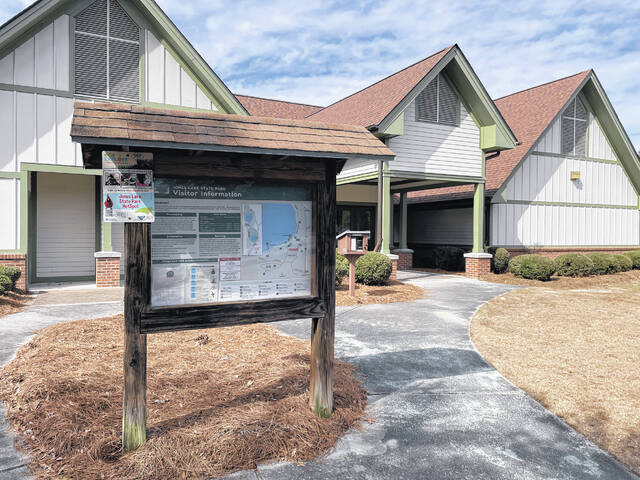
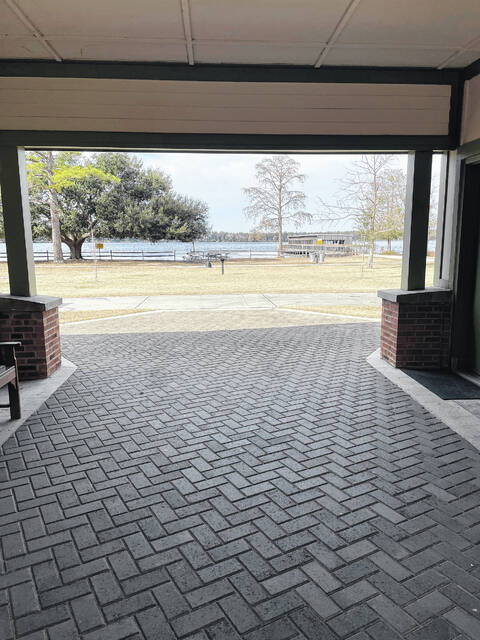
Jones Lake has a total of seven miles of hiking trails available for visitors, and all trails are flat and easy to walk. Numerous family campsites are available to choose from, and there are plenty of picnic tables and covered picnic areas, along with a fishing and boating pier, a sandy beach, volleyball and horseshoe areas, and a restroom/concession building. The visitors’ building is large and offers lots of educational information, and there are additional educational signs scattered throughout the park detailing the animals, insects, and plant life you’ll see there.
Jones Lake State Park is located at 4117 N.C. 242, Elizabethtown. Park rangers can be reached by calling 910-588-4550 or email [email protected].
Leave a Reply