
Jenna Dove
Student Agriculture Reporter
BLADEN’S COO
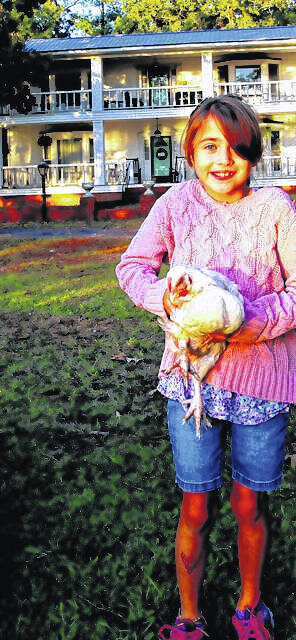

RALEIGH- The annual Regional Chicken Project is fast approaching and is calling all youth interested in learning about raising poultry and responsibility to join the challenge.
The 2026 Regional Chicken Project guides youth, ages 5-18, in 4-H and National FFA Organization on how to care for and display chickens, according to Becky Spearman, the main director of the project.
Spearman lists the countries all over North Carolina that are participating in this project: “Bladen, Brunswick, Columbus, Cumberland, Hoke, Robeson and Sampson.”
The time to join is now because participants are expected to get their laying hen chicken by Feb. 13, broilers in March and finally, showcase their hard work through their chicken on April 28, based on the timeline goals Spearman stated.
The cost to join the project is a great deal too, with a charge of only $5 per each individual acquiring to join, Spearman notes. Furthermore, Spearman lists a charge of $4.50 per pullet that the participants are allowed to continue to have post-chicken show and $2.50 for the boilers that are later processed and given to the Bladen Crisis Center and other food banks across Bladen County.
Spearmen shared that the youth are the ones to pick whether they will be raising laying hen chicks that will produce eggs or broilers that will produce meat.
The specific goals of the project are to, “encourage youth interest in animal project, increase youth knowledge of poultry production, get parents involved in 4-H activities with their youth, build responsibility and confidence in youth, and build record keeping skills in youth,” Spearman said.
Spearman also shared that Bladen County is considered the host county for this project and is responsible for much of the heavy lifting that is involved in this project.
However, this project truly embodies the spirit of teamwork within its structural and managerial levels. Spearman adds that a group consisting of agents from other counties participating in the project make up the committee who organizes the project’s plans and see to it that they are executed; agents help manage record books, train the youth, and assist in having the show. Spearman even mentions the collaboration the project has with agriculture education teachers.
Spearman states that the NC Cooperative Extension is the organizer and AgCarolina Farm Credit serves as the sponsor of the project.
This project prioritizes teaching the youth sustainable farming practices, such as how to feed the chicken, the brooding/raising process of baby chicks, predator regulation, biosecurity, flock health, recordkeeping skills, and how to clean the coop and others cleanliness aspects regarding to farming, Spearman explained.
In other words, Spearman explains that this project teaches the youth everything from the basics of how to properly hold and handle chicken and the way to present the chickens to the judge during the showcase to what signs of disease or illness they should be on the lookout for.
Moreover, the farming and agriculture industry could gain more popularity in North Carolina, since Spearman mentioned that the Bladen County’s Strategic Plan action is to cultivate potential interest in the field, which could lead to these youth wanting to choose a career in agriculture or farming in the future.
Spearman explains the way success of this project is measured is by a combination of how many youths signed up as well as presented their chicken in the show, and what all they have learned.
Spearman emphasized that this project allows a significant amount of hands-on learning by sharing a 4-H slogan, “Learn by Doing.”
Spearman was transparent with the challenges the participants have run across during the project in the past, such as the struggle against protecting chicks from wild predators or the family pet and the hard work the youth has to put into keeping the coop clean.
In response to these challenges, Spearman shared how they took the time to explain methods of protection for the chicks against the predators and how to keep them safe. As for keeping the coops clean, Spearman reiterated the importance of responsibility the youth should learn and carry while taking care of anything that is living under their care.
Nevertheless, new challenges are bound to arise, that is why Spearman mentioned that they give out surveys and feedback forms for criticism from both the youth and the parents regarding what had worked during the project as well as what might have not worked.
Then, Spearman and the other agents, who are responsible for evaluating the project’s outcomes, come together for preparation for the next annual chicken project in October to plan and smooth out the bumps from the previous year.
Spearman noted that 13 youths have already signed up for the project in Bladen County, but if you are a youth that is interested in joining or know one that might, Spearman highly encourages you to contact her to learn more about the project or for the sign-up process.
This 2026 Regional Chicken Project is an opportunity the youth can have to get their hands dirty, interact and care for chickens, and grow responsibility that is needed in life at a young age.
Jenna Dove is a student at Bladen Early College High School. She comes to explore journalism through a special pilot program. The program’s partnership was established between Bladen Community College and The Bladen Journal. As a part of the extended English program at BCC, students get to learn many types of writing including writing for print and digital journalism outlets. If you are a college student wanting to find your way to publishing and/or journalism, please contact Dr. Naomi Hooks at [email protected] or Bladen Journal editor, Mark DeLap at [email protected]